Science Is Essential
Science touches so many aspects of modern life that it's hard to keep up. Through our programs and this website, Science for the Public provides up-to-date information about scientific innovations, discoveries, and issues that are shaping modern knowledge.
Elements
The origin of the heavy elements was not understood until the 1950s
Resistance to New Ideas
Many of the most important advances in scientific understanding were initially rejected or ignored.
Life: Life beyond Earth
The basic chemical elements of life on Earth are the most abundant elements in the universe...Are the conditions right elsewhere?
Featured Items
What Your Food Ate
07/18/23 The actual nutritional value of our food depends on the quality of soil in which it is grown. Healthy soil, healthy people, healthy planet.
David R. Montgomery & Anne Biklé
The Mystery of Animal Migration
09/17/24 How migratory creatures navigate so accurately to their seasonal destinations, sometimes thousands of miles away, is still often a mystery. What do scientists know, and what are they still trying to discover? Charles Walcott
Biodiversity in the Sixth Mass Extinction
03/19/24 A prominent biologist explains the crucial importance of biodiversity for life on Earth, and how the sixth mass extinction fractures that stability. Michael Reed.
Heads Up! Surprising Stats
Science for the Public is committed to improving public knowledge of science and public appreciation for the contributions of science to social progress.

Mapping the Milky Way
02/13/13 An amazing 30+ year project and the discovery of two new Milky Way spiral arms. Thomas Dame

Earth Life and Weird Life
12/17/15 The compelling search for entirely new forms of life elsewhere in our solar system and the universe. David Toomey
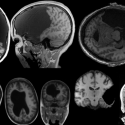
Unusual Brain Adaptations
05/30/23 Language acquisition despite the absence of a critical brain region for language demonstrates the remarkable adaptability of the human brain. Evelina Fedorenko

The Struggle to Ban Pesticides That Disrupt Brain Development
07/05/22 Scientists struggled for decades to get an EPA ban on Chlorpyrifos, a widely used pesticide known to impair brain development. As autism, ADHD and other developmental conditions increased, vested interests blocked efforts to regulate Chlorpyrifos and other agricultural toxins. Philip Landrigan

Harnassing Geothermal Energy
10/11/22 Geothermal energy is an ideal source of renewable energy, but it can be hard to access. Here's a plan. Paul Woskov
Today's Featured Contributors
Featured Author

Les Kaufman, Ph.D.
Insightful essays about the relationship between environmental damage and extinction
As a world society, it seems clear that we have arrived at a point in our history when there must be a major increase in the capability of ordinary people to cope with the scientific and technological culture that is shaping their lives and the lives of their children.
—Leon Lederman, Nobel Laureate in physics