Science Is Essential
Science touches so many aspects of modern life that it's hard to keep up. Through our programs and this website, Science for the Public provides up-to-date information about scientific innovations, discoveries, and issues that are shaping modern knowledge.
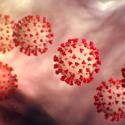
Germs and Disease
The notion that invisible organisms cause disease was very difficult to accept
Resistance to New Ideas
Many of the most important advances in scientific understanding were initially rejected or ignored.
Life: Life beyond Earth
The basic chemical elements of life on Earth are the most abundant elements in the universe...Are the conditions right elsewhere?
Featured Items
What Your Food Ate
07/18/23 The actual nutritional value of our food depends on the quality of soil in which it is grown. Healthy soil, healthy people, healthy planet.
David R. Montgomery & Anne Biklé
The Mystery of Animal Migration
09/17/24 How migratory creatures navigate so accurately to their seasonal destinations, sometimes thousands of miles away, is still often a mystery. What do scientists know, and what are they still trying to discover? Charles Walcott
Biodiversity in the Sixth Mass Extinction
03/19/24 A prominent biologist explains the crucial importance of biodiversity for life on Earth, and how the sixth mass extinction fractures that stability. Michael Reed.
Heads Up! Surprising Stats
Science for the Public is committed to improving public knowledge of science and public appreciation for the contributions of science to social progress.

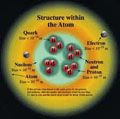
They Didn't Believe It! The Atom
11/07/19 Science for the Public mini-series : They Didn't Believe It!
Brief stories about science discoveries that were very slow to be accepted
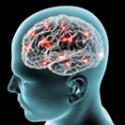
The Biological Mind
03/27/18 The "mind" is not an isolated entity; it is connected to a physical-social environment. Alan Jasanoff

Human Earth
12/09/21 A distinguished geologist compares the human impact on our planet with the impacts of natural catastrophes over billions of years. Based on his book, A Brief History of Earth, this discussion is a sequel to an earlier conversation. Andrew Knoll
Understanding Coastal Ecosystems
06/18/15 A visit to the Helmuth Lab at NEU's Marine Science Center to learn how scientists investigate effects of changing climate on coastal ecosystems. Brian Helmuth

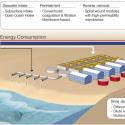
Carbon Capture and Conversion
07/19/21 A carbon capture innovation that can produce useful, products, including non-polluting transportation fuels. Sami Khan
Today's Featured Contributors
Featured Author

Kamaljit S. Bawa, Ph.D.
A major textbook on conservation biology and a beautiful tribute to the ecology of the Himalayas
Featured Guest

Jack Ridge, Ph.D.
A leader in the study of North American glacial varves
As a world society, it seems clear that we have arrived at a point in our history when there must be a major increase in the capability of ordinary people to cope with the scientific and technological culture that is shaping their lives and the lives of their children.
—Leon Lederman, Nobel Laureate in physics