Science Is Essential
Science touches so many aspects of modern life that it's hard to keep up. Through our programs and this website, Science for the Public provides up-to-date information about scientific innovations, discoveries, and issues that are shaping modern knowledge.
Resistance to New Ideas
Many of the most important advances in scientific understanding were initially rejected or ignored.
Life: Evolution and Extinction
The long reign of bacteria, the eventual branching and diversification, symbiogenesis, the dramatic mass extinctions and resurgence of life...
Featured Items
What Your Food Ate
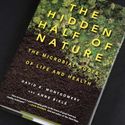
07/18/23 The actual nutritional value of our food depends on the quality of soil in which it is grown. Healthy soil, healthy people, healthy planet.
David R. Montgomery & Anne Biklé
The Mystery of Animal Migration
09/17/24 How migratory creatures navigate so accurately to their seasonal destinations, sometimes thousands of miles away, is still often a mystery. What do scientists know, and what are they still trying to discover? Charles Walcott
Biodiversity in the Sixth Mass Extinction
03/19/24 A prominent biologist explains the crucial importance of biodiversity for life on Earth, and how the sixth mass extinction fractures that stability. Michael Reed.
Heads Up! Surprising Stats
Science for the Public is committed to improving public knowledge of science and public appreciation for the contributions of science to social progress.

Origami: Art and Science
09/08/15 Mathematician L. Mahadevan describes how nature, science and art intersect. It will change your entire perspective.

Are We Alone in the Universe?
07/25/23 For centuries, we Earthlings have considered ourselves unique in the universe. Scientists today, however, tend to doubt our exceptionalism. But just how common might intelligent life be? Mario Livio
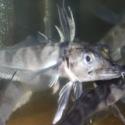
Great Adaptations
02/08/22 Some species have an exceptional ability to adapt to extreme environmental conditions, an advantage that endowed by unique features of their DNA. Certain Antarctic marine creatures provide hope for climate change adaptations. H. WiIliam Detrich
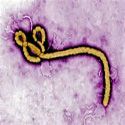
Understanding Viruses: The Connor Lab
07/2014 The Connor Lab at Boston University is a leader in the effort to understand how viruses infect and how cells learn how to block infection. John Connor

Energy Revolution!
05/21/15 Conversion to wind and solar power is entirely possible now in the U.S. Mara Prentiss
Today's Featured Contributors
Featured Author

Mario Livio, Ph.D.
A well known astrophysicist who is also gifted at making science and mathematics accessible to the general public
Featured Guest

Susan Roberts, Ph.D.
A prominent nutrition researcher who investigates the connection between diet and health issues
As a world society, it seems clear that we have arrived at a point in our history when there must be a major increase in the capability of ordinary people to cope with the scientific and technological culture that is shaping their lives and the lives of their children.
—Leon Lederman, Nobel Laureate in physics