Science Is Essential
Science touches so many aspects of modern life that it's hard to keep up. Through our programs and this website, Science for the Public provides up-to-date information about scientific innovations, discoveries, and issues that are shaping modern knowledge.
DDT Poisoning
A poison that was initially considered a solution to disease-bearing insects and harmless to humans and animals became lethal
Resistance to New Ideas
Many of the most important advances in scientific understanding were initially rejected or ignored.
Life: States of Animacy
Hibernation, dormancy, suspended animation, revival from apparent death; the line between life and death...
Featured Items
What Your Food Ate
07/18/23 The actual nutritional value of our food depends on the quality of soil in which it is grown. Healthy soil, healthy people, healthy planet.
David R. Montgomery & Anne Biklé
The Mystery of Animal Migration
09/17/24 How migratory creatures navigate so accurately to their seasonal destinations, sometimes thousands of miles away, is still often a mystery. What do scientists know, and what are they still trying to discover? Charles Walcott
Biodiversity in the Sixth Mass Extinction
03/19/24 A prominent biologist explains the crucial importance of biodiversity for life on Earth, and how the sixth mass extinction fractures that stability. Michael Reed.
Heads Up! Surprising Stats
Science for the Public is committed to improving public knowledge of science and public appreciation for the contributions of science to social progress.
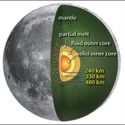
The Core of the Moon
05/09/12 Did the ancient moon have a magnetic field like Earth's? And why do scientists need to know? Benjamin Weiss

Gamma Ray Bursts
01/26/16 An explanation of the most spectacular explosions in the universe, and their possible impact on life.
Raul Jimenez

Save Medical Research!
08/05/25 A need-to-know program about the necessity of medical research and the consequences of the government's abrupt cuts on research and agency funding. Gerald Denis
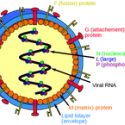
Viruses: Threats in a Tiny Package
11/06/14 Viral infections that were once obscure are potentially global threats in a highly linked world. New tools are being deployed to identify and block these diseases.
John Connor
Today's Featured Contributors
Featured Author

John Quackenbush, Ph.D.
A very engaging discussion of the human genome project by one of the researchers involved
Featured Guest

Robert Whitaker
One of the most respected authors on the subject of psychotropic drugs
As a world society, it seems clear that we have arrived at a point in our history when there must be a major increase in the capability of ordinary people to cope with the scientific and technological culture that is shaping their lives and the lives of their children.
—Leon Lederman, Nobel Laureate in physics