Science Is Essential
Science touches so many aspects of modern life that it's hard to keep up. Through our programs and this website, Science for the Public provides up-to-date information about scientific innovations, discoveries, and issues that are shaping modern knowledge.
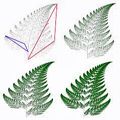
Fractal Geometry
A concept that was originally treated with skeptism is widely accepted today
Resistance to New Ideas
Many of the most important advances in scientific understanding were initially rejected or ignored.
Life: Synthetic Life
Partly in order to understand its amazing complexity, and partly in order to advance medical therapies. So, how do you create a viable cell?
Featured Items
What Your Food Ate
07/18/23 The actual nutritional value of our food depends on the quality of soil in which it is grown. Healthy soil, healthy people, healthy planet.
David R. Montgomery & Anne Biklé
The Mystery of Animal Migration
09/17/24 How migratory creatures navigate so accurately to their seasonal destinations, sometimes thousands of miles away, is still often a mystery. What do scientists know, and what are they still trying to discover? Charles Walcott
Biodiversity in the Sixth Mass Extinction
03/19/24 A prominent biologist explains the crucial importance of biodiversity for life on Earth, and how the sixth mass extinction fractures that stability. Michael Reed.
Heads Up! Surprising Stats
Science for the Public is committed to improving public knowledge of science and public appreciation for the contributions of science to social progress.
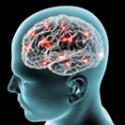
The Biological Mind
03/27/18 The "mind" is not an isolated entity; it is connected to a physical-social environment. Alan Jasanoff
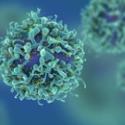
From The Cell to Cancer
07/15/14 What causes cancer, and how do the current different theories influence the research? A internationally prominent research team provides a unique view.
Ana Soto and Carlos Sonnenschein
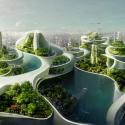
The Urban Future: On Earth...and Elsewhere
12/05/23 GBH Forum Network webinar (noon). By 2050, some 75 percent of the world population will live in cities. Future urban design will emphasize not only innovative architecture and engineering, but optimal environmental and social aspects of city dwelling also. The urban future might also include settlements beyond Earth. Justin Hollander
Today's Featured Contributors
Featured Author
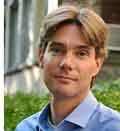
Henrik Selin, Ph.D.
An international expert on climate change and environmental policy who emphasizes the need for global action on climate change
Featured Guest

Licia Verde, Ph.D.
An astrophysicist whose research aims for an explanation of the relationship between large-scale structures and the mysterious accelerating expansion of the universe
As a world society, it seems clear that we have arrived at a point in our history when there must be a major increase in the capability of ordinary people to cope with the scientific and technological culture that is shaping their lives and the lives of their children.
—Leon Lederman, Nobel Laureate in physics