Science Is Essential
Science touches so many aspects of modern life that it's hard to keep up. Through our programs and this website, Science for the Public provides up-to-date information about scientific innovations, discoveries, and issues that are shaping modern knowledge.
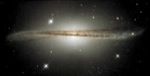
Cosmos: Galaxies
Stars formed in clusters in the huge clouds that became the early galaxies...
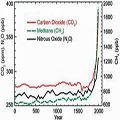
Climate Change
The undeniable facts of the human impact on global climate are still being resisted
Resistance to New Ideas
Many of the most important advances in scientific understanding were initially rejected or ignored.
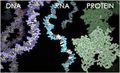
Life: Origins of Life
The necessary ingredients and conditions; formation of life's molecules; Last Universal Common Ancestor (LUCA) ....
Featured Items
What Your Food Ate
07/18/23 The actual nutritional value of our food depends on the quality of soil in which it is grown. Healthy soil, healthy people, healthy planet.
David R. Montgomery & Anne Biklé
The Mystery of Animal Migration
09/17/24 How migratory creatures navigate so accurately to their seasonal destinations, sometimes thousands of miles away, is still often a mystery. What do scientists know, and what are they still trying to discover? Charles Walcott
Biodiversity in the Sixth Mass Extinction
03/19/24 A prominent biologist explains the crucial importance of biodiversity for life on Earth, and how the sixth mass extinction fractures that stability. Michael Reed.
Heads Up! Surprising Stats
Science for the Public is committed to improving public knowledge of science and public appreciation for the contributions of science to social progress.

Are We Alone in the Universe?
07/25/23 For centuries, we Earthlings have considered ourselves unique in the universe. Scientists today, however, tend to doubt our exceptionalism. But just how common might intelligent life be? Mario Livio
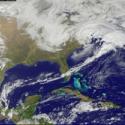
Atmosphere: Earth and Elsewhere
04/25/17 What an atmosphere is, what it does, how it changes --on Earth, elsewhere in our solar system and beyond. Daniel Cziczo
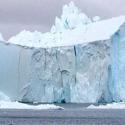
The Long Reach of Polar Glacial Melts
04/12/21 The accelerating Arctic and Antarctic glacial melts will affect sea levels and land masses in different areas of the globe --often far from the polar regions. Natalya Gomez
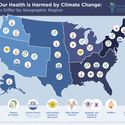
Climate Change Brings Changes to Medical Training
11/11/20 Because of climate change, many regions are experiencing diseases introduced by unfamiliar insects, microbes, and other sources. This situation requires a new approach to training medical students.
Gaurab Basu, M.D., MPH
Today's Featured Contributors
Featured Author

Philip Lieberman, Ph.D.
A distinguished scientist who has contributed significantly to our understanding of the evolution of cognition, communication and language
Featured Guest
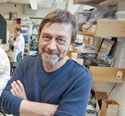
Slava Epstein, Ph.D.
A leader in both the effort to identify unknown microbes and the effort to create viable antibiotics
As a world society, it seems clear that we have arrived at a point in our history when there must be a major increase in the capability of ordinary people to cope with the scientific and technological culture that is shaping their lives and the lives of their children.
—Leon Lederman, Nobel Laureate in physics