Science Is Essential
Science touches so many aspects of modern life that it's hard to keep up. Through our programs and this website, Science for the Public provides up-to-date information about scientific innovations, discoveries, and issues that are shaping modern knowledge.
Coming Events
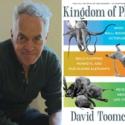
Kingdom of Play
05-06-24 WGBH Forum Network webinar, 12:30 PM EDT. All sorts of animals engage in imaginative types of play. Is this behavior just creature-entertainment, or is it important for development and bonding? David Toomey
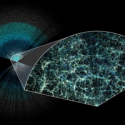
Our Expanding Universe: The DESI Project's First Results
05/14/24 Our universe is expanding because of dark energy --one of the greatest mysteries in science. The major project devoted to understanding that expansion and dark energy is the target of the Dark Energy Spectroscopic Instrument (DESI). DESI has produced the largest and most precise 3D map of our cosmos ever constructed. And the first results of the survey are amazing. Paul Martini
Recent Events
How Effective Are Vitamin D Supplements?
04/23/24 Promoted for years as a means to strengthen bones and lower risk of multiple diseases, improved studies by JoAnn Manson and others revealed that Vitamin D supplements were not very effective at all. Natural sources, including sunshine, are much better. It’s important to understand why. JoAnn Manson
Biodiversity in the Sixth Mass Extinction
03/19/24 A prominent biologist explains the crucial importance of biodiversity for life on Earth, and how the sixth mass extinction fractures that stability. Michael Reed.
Carbon Capture and Storage Will Not Reduce Global Warming
02/09/24 GBH Forum Network webinar (noon ET) The extreme level of atmospheric CO2 is well beyond a “capture and storage/sequestration” solution, yet the hype persists that some clever extraction innovation will resolve the problem. Charles Harvey
DDT Poisoning
A poison that was initially considered a solution to disease-bearing insects and harmless to humans and animals became lethal
Resistance to New Ideas
Many of the most important advances in scientific understanding were initially rejected or ignored.
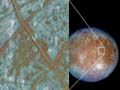
Life: Life beyond Earth
The basic chemical elements of life on Earth are the most abundant elements in the universe...Are the conditions right elsewhere?
Featured Items
What Your Food Ate
07/18/23 The actual nutritional value of our food depends on the quality of soil in which it is grown. Healthy soil, healthy people, healthy planet.
David R. Montgomery & Anne Biklé
An Update on Those "Forever" Chemicals
10-17-23 WGBH Forum Network webinar
PFAS, a group of chemicals added to many everyday products, became a concern years ago among medical researchers, but governmental agencies were slow to impose regulations. Philippe Grandjean
Social Media and Mental Health
02/21/23 There is increasing concern about the impact of social media on mental health, especially among young people. What causes this problem and how should it be addressed? Jacqueline Sperling
Heads Up! Surprising Stats
Donate
Your generous donations help to support our mission.
Science for the Public is a 501(c)(3) organization and your donation is
tax-deductible.
Science for the Public is committed to improving public knowledge of science and public appreciation for the contributions of science to social progress.
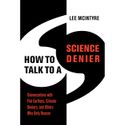
How to Talk to a Science Denier
03/08/22 The right author and the right book with the right strategy for dealing with those who reject scientific facts. Lee McIntyre

Searching for Bio-Molecules
04/29/15 At the Summons Lab at MIT, scientists probe soil and rock samples from both ancient Earth and --using remote instruments-- Mars for bio-molecules. Roger Summons

Troubled Waters: Red Tides and Other Algae Blooms
12/12/23 Belmont Media Center. Runoffs from agriculture, industries and other sources accumulate in many waters and cause harmful algae blooms (HABs), including the red tides that are increasingly common. Algal blooms are now occurring in every coastal state in the U.S., and are a major threat to marine organisms --and people. Patricia Glibert
Stem Cell Research and Communicating Science
10/03/23 WGBH Forum Network webinar 12 Noon EDT
A distinguished pioneer in stem cell research for oral conditions, wound healing and diabetes explains the issues and the advances in this field, and the importance of science communication for the public. Jonathan Garlick
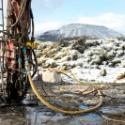
Carbon Capture and Storage Will Not Reduce Global Warming
02/09/24 GBH Forum Network webinar (noon ET) The extreme level of atmospheric CO2 is well beyond a “capture and storage/sequestration” solution, yet the hype persists that some clever extraction innovation will resolve the problem. Charles Harvey
Today's Featured Contributors
Featured Author

Philip Lieberman, Ph.D.
A distinguished scientist who has contributed significantly to our understanding of the evolution of cognition, communication and language
As a world society, it seems clear that we have arrived at a point in our history when there must be a major increase in the capability of ordinary people to cope with the scientific and technological culture that is shaping their lives and the lives of their children.
—Leon Lederman, Nobel Laureate in physics